
Advanced AI Marketing for Plumbing Contractors
Contractors rarely lose margin because they lack technical skill. Margin erosion follows the structure of the market they operate within. Pricing power weakens when demand environments reward visibility over precision. This pattern appears across contractor margin research data.
Advanced AI Marketing for Contractors studies these systems as infrastructure. The goal is not more leads. The goal is controlled demand aligned with profitable work. That shift changes how plumbing contractors experience margin stability.

Market Structure And Pricing Power
Pricing power does not collapse overnight. It erodes through repeated exposure to low-quality demand. Contractors begin to accept price pushback as normal. Competing bids compress pricing until work becomes interchangeable.
In many cases, this pattern appears strongest in high-volume lead channels. Emergency plumbing and drain-cleaning leads often attract urgency without qualification. Buyers compare multiple quotes with limited context. Commoditization follows quickly.
Contractor Margin Research tracks this across service categories. Water heater leads, slab leak leads, and sewer line repair leads show similar behavior when poorly filtered. Estimate-to-close ratios decline as pricing resistance increases. Contractors begin lowering prices to maintain volume.
Commercial plumbing behaves differently but faces parallel pressures. Commercial plumbing slab leak detection marketing often attracts facilities seeking multiple bids. Without positioning, contractors compete on speed and cost alone. Margin squeeze becomes predictable.
- Lead Quality and ROI for Plumbing Contractors
- AI Automation Systems for Plumbing Businesses
- Commercial Plumbing Growth and Contracts
- Plumbing SEO and Organic Lead Systems
- Plumbing Brand Trust and Conversion Systems
- Decision Patterns
Demand Environment Design
Demand environments determine the quality of conversations before the first call. Poor environments attract low-intent buyers. Strong environments filter for fit, urgency, and budget alignment.
This pattern appears clearly in water heater installation leads and tankless water heater marketing. Generic messaging attracts price shoppers. Structured positioning attracts clients seeking reliability and long-term performance.
Advanced AI Marketing for Contractors focuses on shaping these environments. The system defines who should engage and who should not. Lead volume decreases, but lead quality increases. Gross margin per job improves as a result.
Contractor Margin Research shows consistent improvements in estimate-to-close ratios when demand is structured. Contractors report fewer competing bids and less discount pressure. Conversations shift toward scope, timeline, and execution quality.
Commercial plumbing high ticket jobs require even tighter control. Boiler installation leads and grease trap service leads involve operational risk and compliance. Buyers seek confidence, not just cost. Positioning becomes the primary filter.
Operational Leakage Patterns
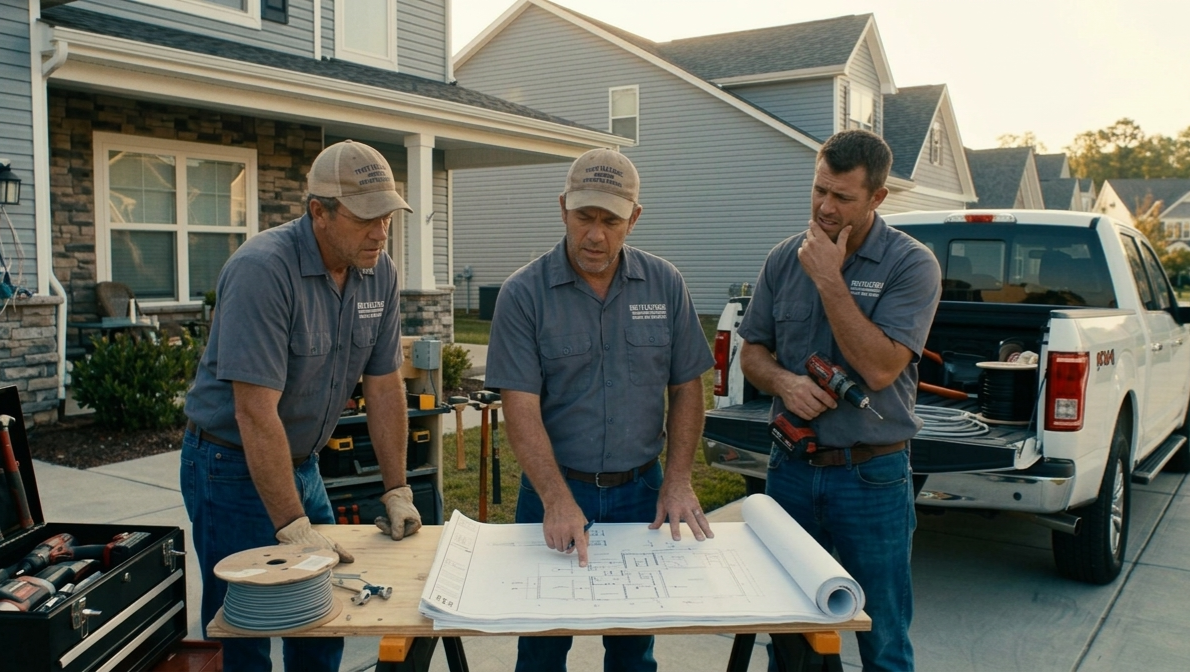
Margin compression is not only external. Internal systems often conceal inefficiencies that erode profitability. Estimating errors, labor overruns, and callbacks reduce gross margin per job.
This pattern appears across contractor margin research data. Contractors underestimate job complexity. Scope creep expands without proper pricing adjustments. Hidden costs accumulate during execution.
Revenue per technician declines when labor utilization drops. Poor scheduling and inefficient dispatching increase idle time. Break-even thresholds become harder to maintain under these conditions.
Advanced AI Marketing for Contractors integrates operational accountability into demand systems. The goal is alignment between marketed work and operational capacity. Contractors attract projects they can execute efficiently.
Repiping leads and whole home repipe marketing illustrate this clearly. These projects require precision in estimating and execution. When aligned correctly, they produce stable margins. When misaligned, they generate significant margin leakage.
Lead Quality And Client Selection
Lead quality determines the starting point of every job. Poor lead quality introduces friction before work begins. Contractors face price pushback, unclear scope, and unrealistic expectations.
This pattern appears in many service categories. Burst pipe repair leads and emergency plumbing leads often involve urgency without clarity. Contractors rush to secure the job, then absorb hidden costs later.
Contractor Margin Research highlights the importance of client selection. High-value clients prioritize reliability and accountability. Low-value clients prioritize price and speed. Mixing these segments creates instability.
Advanced AI Marketing for Contractors builds systems that separate these groups. Messaging, positioning, and filtering mechanisms guide the right clients into the pipeline. Weak leads are reduced before they reach the contractor.
Commercial plumbing leak detection leads and commercial plumbing toilet repair leads benefit from this approach. Facilities managers and property managers require structured communication. Clear positioning improves trust and reduces competing bids.
Water filtration system leads and water softener installation leads also respond to this structure. These clients often evaluate long-term value. Strong positioning supports higher pricing without resistance.

Cost Volatility And Margin Stability
Cost volatility adds another layer of pressure. Material costs fluctuate. Labor availability shifts. Fuel and logistics expenses change over time. These factors impact profitability even when pricing remains stable.
This pattern appears consistently across contractor margin research data. Contractors struggle to adjust pricing quickly enough. Margin squeeze intensifies when costs rise unexpectedly.
Break-even thresholds become critical under these conditions. Contractors must understand their true cost structure. Gross margin per job must account for variability, not just baseline costs.
Advanced AI Marketing for Contractors addresses this through demand calibration. The system prioritizes higher-margin work. Contractors reduce exposure to low-margin jobs that cannot absorb cost fluctuations.
Sewer line replacement marketing and hydro jetting leads often provide stronger margin buffers. These services involve higher perceived value. Buyers are less sensitive to price when risk is clearly communicated.
Gas line repair leads and gas line installation leads follow a similar pattern. Safety considerations increase willingness to pay. Proper positioning reinforces this dynamic.
Commercial Complexity And Positioning
Commercial plumbing introduces additional complexity. Projects involve coordination, compliance, and scheduling constraints. Margin stability depends on managing these variables effectively.
This pattern appears across contractor margin research data. Contractors who lack clear positioning struggle to secure profitable commercial work. They compete on availability rather than capability.
Advanced AI Marketing for Contractors frames positioning as infrastructure. The system communicates operational reliability, not just service offerings. Buyers understand what the contractor represents before engagement begins.
Commercial plumbing water heater leads and boiler repair marketing benefit from this clarity. These projects require trust in execution. Strong positioning reduces price sensitivity and improves bid acceptance rates.
Backflow testing leads and backflow prevention marketing also rely on structured positioning. Compliance-driven services require precision and accountability. Contractors who demonstrate these qualities command higher margins.
Commercial plumbing sump pump repair leads and sump pump installation leads follow similar patterns. Buyers prioritize reliability during critical situations. Positioning influences decision-making more than price alone.
Margin Systems And Control
Margin stability requires systems that connect demand, operations, and pricing. Fragmented approaches create gaps where margin leakage occurs. Integrated systems provide visibility and control.
This pattern appears in many cases across contractor margin research data. Contractors operate multiple disconnected tools and processes. Information does not flow effectively between marketing and operations.
Advanced AI Marketing for Contractors functions as an infrastructure layer. The system aligns demand generation with operational capacity and pricing strategy. Contractors gain clarity on where margin is gained or lost.
Metrics become central to this approach. Estimate-to-close ratio indicates demand quality. Revenue per technician reflects operational efficiency. Gross margin per job reveals pricing effectiveness.
Pipe repair leads and plumbing maintenance plan leads illustrate the importance of consistency. Recurring work stabilizes revenue and improves labor utilization. Structured demand supports predictable scheduling and profitability.
Commercial plumbing high ticket jobs require even greater coordination. Contractors must balance project timelines, resource allocation, and pricing strategy. Integrated systems reduce uncertainty.
Informed And Controlled Outcomes
Margin compression is not random. It follows identifiable patterns within market systems. Contractors who understand these patterns gain control over their outcomes.
This pattern appears consistently across contractor margin research data. Pricing power improves when demand is structured. Operational leakage decreases when systems align with capacity. Lead quality improves when client selection is intentional.
Advanced AI Marketing for Plumbing Contractors represents a shift in approach. The focus moves from tactics to infrastructure. Contractors operate within systems designed for margin stability and growth.
Clarity replaces uncertainty. Contractors understand their break-even thresholds and profitability drivers. They engage with clients who align with their positioning and capabilities.
The result is not just higher margins. It is a more stable and predictable business. Decisions become deliberate rather than reactive. Contractors operate with greater control over pricing, workload, and long-term performance.
Services |
Industries |
Specialties |