
The “Algorithm Abandonment”
👉 This was an algorithm adaptation failure
🔧 Expanded System Layer
Primary System:
→ Algorithm Alignment System Failure
Breakdown:
- Input failure: static content strategy
- Algorithm shift: helpful, specific content rewarded
- System response: competitor content prioritized
- Output: ranking loss
🔷 SECTION 2 — TRUST / PROOF FAILURES
(2-1 → 2-10)
2-1 The “Silent” Referral Killer
2-2 The $7,000 “Vague” Ad Burn
2-3 The “Expertise Gap” Ghosting
2-4 The “Digital Brochure” Dead-End
2-5 The “Credibility Checkpoint” Failure
2-6 The “We/Us” Headline Trap
2-7 The “Lowest Bidder” Public Works Defeat
2-8 The “Identity Thief” Target
2-9 The “Algorithm Abandonment”
2-10 The “Confused Silence” Bounce
Secondary Systems:
- Evolution Tracking System Failure
→ No adaptation to changes - Content Depth System
→ Specificity beats generalization
Relevance Update System
→ Content must evolve with search behavior
A water damage restoration contractor in Orlando enjoyed stable organic rankings for years.
Early blog posts carried authority.
Generic service pages once performed adequately.
Traffic arrived without heavy intervention.
Confidence formed around consistency.
Gradual decline began quietly.
Ranking positions slipped across non-branded terms.
Inbound calls became inconsistent.
Analytics showed shrinking discovery traffic.
Competitors appeared above long-held placements.
Concern replaced certainty.
That shift defines 2-9: The “Algorithm Abandonment”.
Penalties were not issued.
Manual review did not occur.
Technical performance remained stable.
Search behavior evolved instead.

Algorithm Alignment Failure in Organic Search
This was an algorithm adaptation failure rooted in the Signal System.
Freshness plateaued.
Continuity failed to reflect evolving user intent.
Relevance decayed as search standards shifted.
Alignment weakened silently.
Input failure centered on a static content strategy.
Helpful, specific material gained priority in the updated algorithms.
Broad educational summaries lacked depth.
System behavior elevated competitors offering structured, problem-focused resources.
Platform response reordered results accordingly.
Output manifested as ranking loss.
Discovery narrowed to branded queries.
Lead flow destabilized gradually.
Confidence eroded in parallel.
Visibility contracted without a dramatic warning.
Secondary interaction emerged within the Entity System.
Verification signals appeared outdated.
Legitimacy weakened without topical expansion.
Persistence declined as authority depth stagnated.
Trust signals lagged behind evolving standards.
The Feedback System amplified the impact.
The collection revealed falling non-branded impressions.
Interpretation often misattributes the shift to seasonality.
Competitive use rewarded contractors who adapted quickly.
Data indicated structural stagnation.
Reputation dynamics compounded erosion.
Velocity slowed as organic reach declined.
Defense weakened against specialized entrants.
Control diminished because algorithmic sorting reshaped exposure.
Perception drifted gradually.
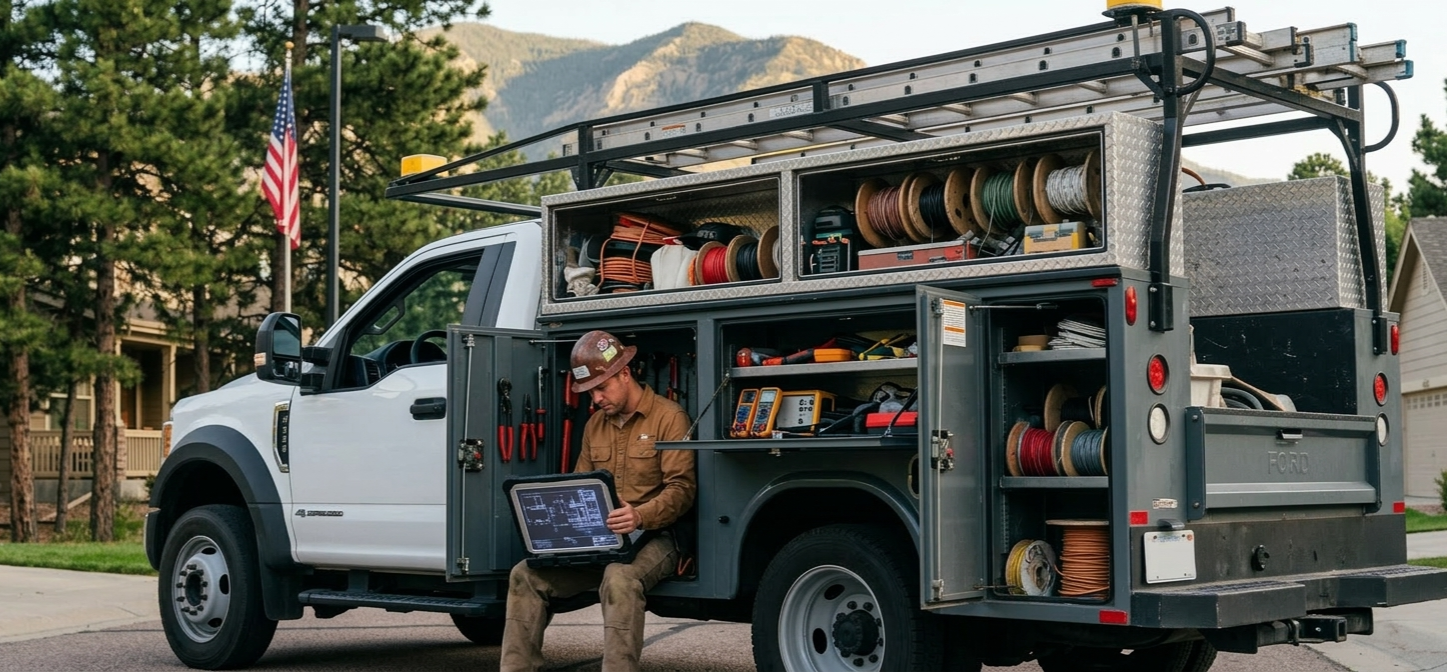
Search Evolution and Content Depth Competition
Most restoration contractors believe publishing once secures long-term visibility.
Archived blogs feel protective.
Service pages appear complete.
Keyword placement seems adequate.
Stability becomes assumed.
Search systems evolve continuously.
Specific answers now outperform general overviews.
Structured problem-solving outranks vague explanations.
Depth reinforces authority.
Updated examples strengthen relevance.
User behavior reshapes query interpretation.
Orlando demonstrates this pattern clearly.
Tampa reflects similar volatility in competitive niches.
Phoenix often accelerates visibility shifts during storm cycles.
Regional pace changes tempo.
System logic remains consistent.
Google benefits from constant content competition.
Yelp benefits when organic decline increases reliance on paid.
Homeowners receive clearer information.
Contractors’ experience ranking instability.
Expanded options intensify comparison pressure.
Visibility loss creates lead instability.
Lead instability introduces pricing pressure.
Pricing pressure compresses margins.
Margin compression limits growth.
Delayed algorithm failures rarely feel immediate.
Recognition cues surface subtly.
Rankings fluctuate unpredictably.
Call volume becomes uneven.
Price-shopping increases during estimates.
Competitor displacement appears in search results.

Where Restoration Contractors Get It Wrong
Campaign thinking dominates strategy.
Content updates happen sporadically.
Adaptation cycles lag behind algorithm shifts.
Signal continuity weakens over time.
Depth expansion stalls.
Many owners assume search volatility is random.
Alignment with user value drives algorithm outcomes.
Specificity compounds authority.
Static publishing decays relevance.
Evolution requires structure.
Security influences update speed.
Access limitations delay revisions.
Monitoring gaps obscure performance signals.
Ownership fragmentation slows coordinated response.
The correction takes longer than expected.
Compliance intersects indirectly.
Configuration errors affect crawl efficiency.
Policy adjustments influence snippet display.
Platform alignment shapes indexing strength.
Minor oversights magnify decline.
Fewer choices reduce error for users.
More options increase competitive filtering.
Visibility does not equal dominance.
System behavior determines outcome.
Most failures are delayed rather than immediate.
Input failure began with the static strategy.
Algorithm expectations shifted toward helpful specificity.
Platform sorting rewarded adaptive competitors.
Ranking positions declined steadily.
Lead stability weakened.
2-9 The “Algorithm Abandonment” captures that gradual erosion.
Advanced AI Marketing for Contractors addresses full-system behavior.
Continuous alignment replaces static publishing.
Structured adaptation reinforces authority.
Selection conditions are shaped before algorithm changes disrupt visibility.